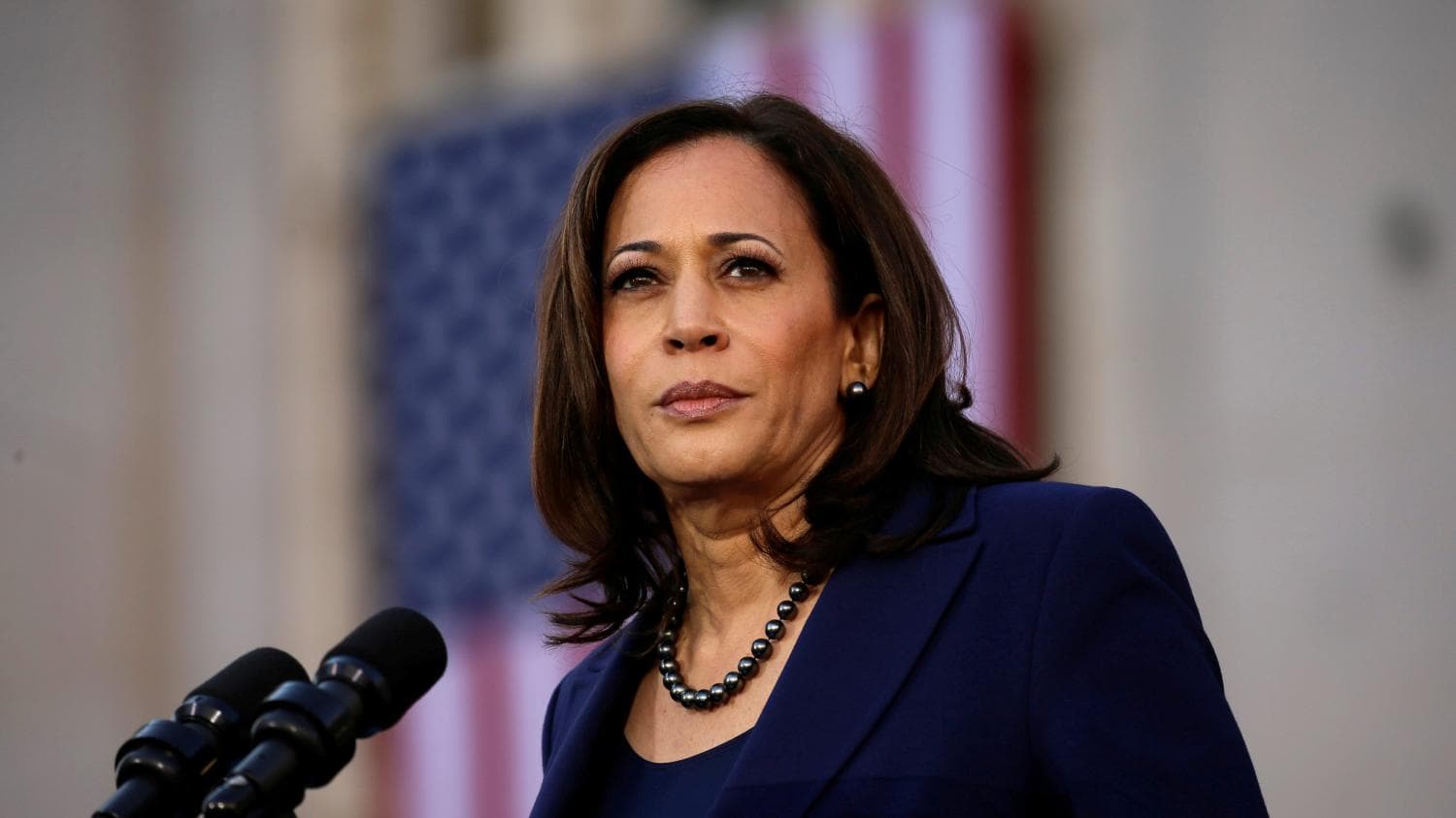
Will the 2028 Democratic Presidential nominee be a woman?
$4.92K
1
1
Will the 2028 Democratic Presidential nominee be a woman?
$4.92K
1
1
AI Analysis
Trader mode: Actionable analysis for identifying opportunities and edge
About This Event
This market will resolve to “Yes” if the individual that wins and accepts the 2028 nomination of the Democratic Party for U.S. president is a woman. Otherwise, this market will resolve to “No”. The resolution source for this market will be a consensus of official Democratic Party sources. Any replacement of the democratic nominee before election day will not change the resolution of the market.
AI-generated analysis based on market data. Not financial advice.
This saved content is awaiting a background update. It may contain outdated claims; use the dated market data and provider rules for the latest available information.
Overview
The 2028 Democratic presidential nomination race is the subject of intense speculation, and one of the most prominent questions is whether the party will select a woman as its standard-bearer. This prediction market will resolve to 'Yes' if the individual who wins and accepts the Democratic nomination for U.S. president in 2028 is a woman. The resolution will be based on a consensus of official Democratic Party sources, and any replacement of the nominee before the general election will not affect the outcome. This market captures the intersection of gender politics, electoral strategy, and the evolving composition of the Democratic Party's leadership pipeline. Historically, the United States has never elected a woman as president, and only two women have been major-party nominees for the office: Hillary Clinton (Democratic, 2016) and Kamala Harris (Democratic, 2024). Both lost to Republican opponents, though Harris's loss was narrow in the popular vote. The 2028 race will be the first open Democratic primary since 2020, as President Joe Biden is not seeking re-election, and the field is expected to be crowded with potential candidates, several of whom are women. Recent developments have shaped the conversation. Vice President Kamala Harris, despite her 2024 defeat, remains a prominent figure and could run again. Other potential women candidates include Michigan Governor Gretchen Whitmer, California Governor Gavin Newsom (male), Illinois Governor J.B. Pritzker (male), and several female senators and representatives. The Democratic National Committee (DNC) has also undergone leadership changes, with new rules for the 2028 primary calendar that may influence the race. Public interest in this question is high because it touches on broader debates about gender representation in politics, the electability of women candidates, and the strategic direction of the Democratic Party. Polls consistently show that a majority of Democratic voters are open to a woman nominee, but historical patterns and recent losses have made some party strategists cautious. This market allows participants to bet on the likelihood of a historic first: a woman leading the Democratic ticket in 2028.
Historical Context
The history of women in U.S. presidential politics is short but significant. The first woman to run a major-party campaign was Victoria Woodhull in 1872, though she was not widely recognized. In 1964, Margaret Chase Smith became the first woman to have her name placed in nomination for the presidency at a major party convention, running for the Republican nomination. In 1972, Shirley Chisholm became the first Black woman to seek a major party's nomination, running for the Democratic ticket. However, it was not until 2016 that a woman, Hillary Clinton, became the first female nominee of a major party. Clinton won the popular vote but lost the Electoral College to Donald Trump. In 2024, Kamala Harris became the second woman to be a major-party nominee, but she also lost to Trump. The Democratic Party has a history of supporting women candidates at the congressional and gubernatorial levels, but the presidency has remained elusive. The 2020 primary saw several women candidates, including Elizabeth Warren, Amy Klobuchar, and Tulsi Gabbard, but none secured the nomination. The party's base has become increasingly supportive of women in leadership, and polls indicate that a majority of Democrats would be comfortable with a woman nominee. However, the losses of Clinton and Harris have led to debates about whether sexism plays a role in general elections. The 2028 race will be a test of whether the party can break the pattern and nominate a woman who can win the presidency.
Why It Matters
The selection of a woman as the 2028 Democratic nominee would be historic, but its implications extend beyond symbolism. If a woman were to win the presidency, it would break the highest glass ceiling in American politics, potentially reshaping gender norms in leadership. Research shows that women in political office often prioritize issues like healthcare, education, and family policy, which could shift national priorities. Additionally, a woman nominee could energize key Democratic constituencies, including women voters and suburban women, who have been critical to the party's electoral coalition. On the other hand, if the party again passes over qualified women, it could face backlash from progressive and feminist groups, potentially affecting voter turnout and donor enthusiasm. The economic and political ramifications are also significant. A woman president would likely appoint more women to cabinet positions and the judiciary, influencing policy for decades. The 2028 election will also be a referendum on the Republican Party's stance on gender issues, as the GOP has largely moved toward traditional gender roles. The outcome could affect international perceptions of U.S. leadership on gender equality. For prediction market participants, this question is a proxy for broader political trends, including the strength of the #MeToo movement, the impact of abortion rights as a mobilizing issue, and the changing demographics of the electorate.
Frequently Asked Questions
Has a woman ever been nominated for president by a major U.S. political party?
Yes, two women have been nominated: Hillary Clinton in 2016 and Kamala Harris in 2024, both as Democrats. Both lost the general election to Republican candidates.
Who are the leading female candidates for the 2028 Democratic nomination?
Potential candidates include Kamala Harris, Gretchen Whitmer, Katie Porter, Alexandria Ocasio-Cortez, and possibly others like Amy Klobuchar or Elizabeth Warren. No one has officially announced yet.
What are the odds that the 2028 Democratic nominee will be a woman?
Prediction markets like PredictIt and Polymarket currently show varying probabilities, typically around 40-60%, depending on the platform and date. These odds reflect uncertainty about the field and the party's strategic direction.
AI-written background. References identify the evidence used; Wikipedia links under Learn More are additional reading. Prices and provider rules are dated snapshots. This is not financial advice.
Market Insights
Price gaps of 2 pp+
0
Saved price pairs
0
No exact saved pairs with both binary Yes prices are available.
Price differences do not establish arbitrage. Check each pair's review, current order prices, fees and settlement rules.