Which countries will normalize relations with Israel before 2027?
$6.72M
5
15
Which countries will normalize relations with Israel before 2027?
$6.72M
5
15
AI Analysis
Trader mode: Actionable analysis for identifying opportunities and edge
About This Event
Before 2027 If X normalize diplomatic relations before Jan 1, 2027, then the market resolves to Yes. The agreement must be ratified before Jan 1, 2027 to be included within the Payout Criterion. This market will close and expire early if the event occurs.
Snapshot observed 2026-10-13T00:00:05.902Z. This analysis describes that snapshot and is not a live news update.
What the contract measures
This snapshot covers contracts on whether a country will formally normalize diplomatic relations with Israel within a set window. The Kalshi event asks "Which countries will normalize relations with Israel before 2027?" and states that if a country normalizes diplomatic relations before Jan 1, 2027, the market resolves to Yes. The agreement must also be ratified before that date to count [2].
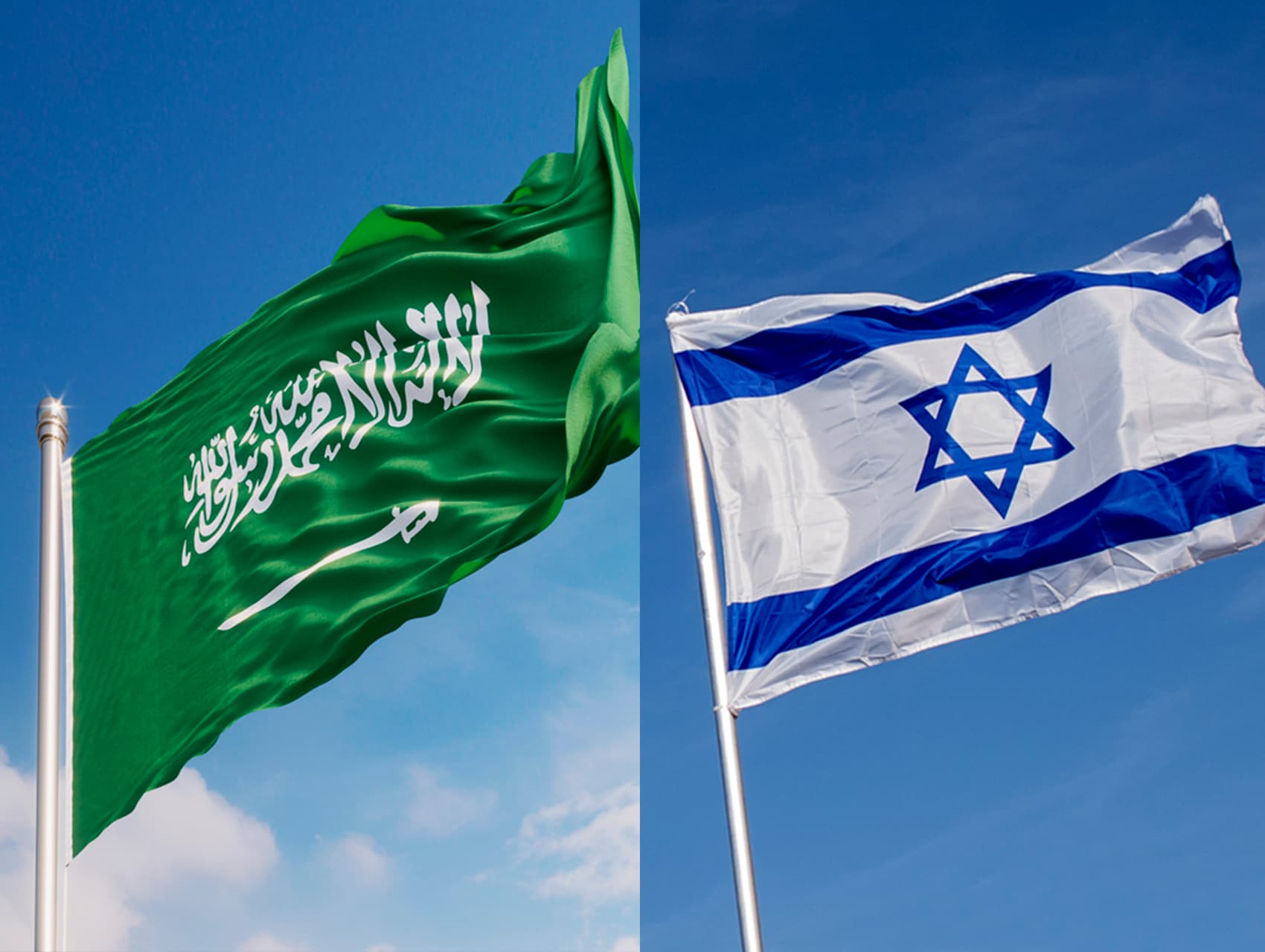
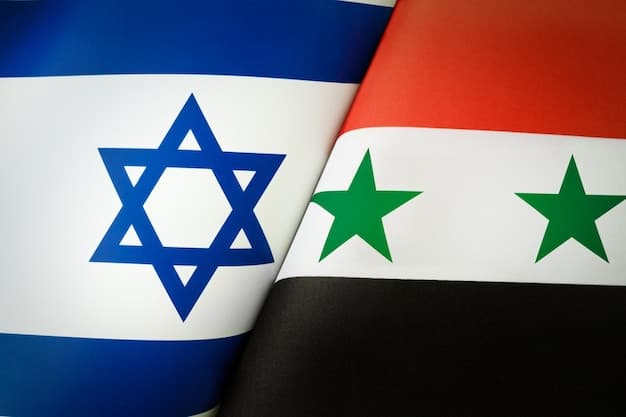
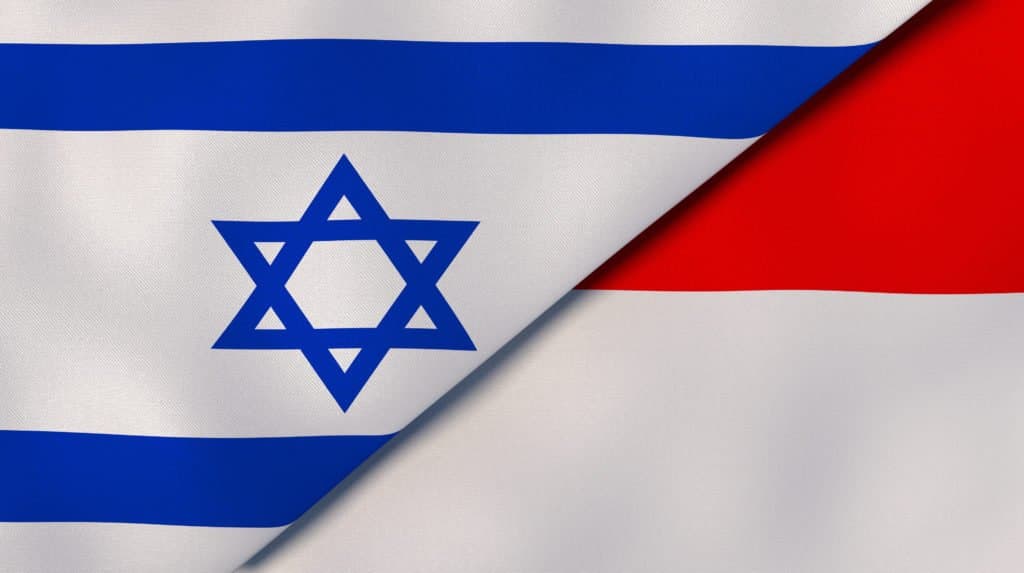
Polymarket's pair contracts use different wording. They resolve to "Yes" if both countries officially announce the establishment of diplomatic relations by a stated date [3][4]. The Israel and Syria rules give "December 31, 2025, 11:59 PM ET" [1], while the saved market title says December 31, 2026. This snapshot does not resolve that conflict. Kalshi's ratification requirement is also absent from the Polymarket excerpts, so the two platforms do not measure exactly the same thing.
Reading the snapshot
The provider observation time is 00:00:05 UTC on October 13, 2026, and the source retrieval time is 01:53 UTC the same day. These timestamps describe this saved record, not a live price feed.
Listed end times differ. The Polymarket excerpts show an end time of 2027-01-01 04:59 UTC [1][3][4]. The Kalshi market data lists 2027-01-01 15:00 UTC, but the Kalshi event excerpt shows no listed end time [2].
Within the Kalshi event, Yes prices in the saved data run from 0.0245 for Israel and Syria to 0.0635 for Israel and Djibouti [2]. Polymarket pair contracts were saved separately, with Yes prices of 0.06 for Syria, 0.0505 for Indonesia, and 0.0465 for Saudi Arabia [1][3][4]. These come from different events and should not be ranked together or averaged.
These are snapshots, not executable quotes or verified probabilities. A Yes price of 0.06 means the contract traded near that level at the observation time. It does not establish a 6 percent chance of the event. Volume is not supplied here, so it cannot be read as liquidity or trader count.
Sampling is complete for the saved events. All 11 Kalshi markets are included, and each Polymarket event contributes one market. The sample warning still applies: providers may not list every possible outcome, so an absent country should not be assumed to have a lower price.
What remains uncertain
The supplied evidence does not explain why prices are where they are, and it contains no news, trader counts, or historical accuracy data. It does not indicate whether any country is close to an agreement. The Syria date conflict and the differing ratification and end-time wording mean the exact terms of each contract matter. The saved data also includes a Polymarket market on Israel and Lebanon at a Yes price of 0.0355, but its event excerpt was not among the supplied sources.
References
- Polymarket: Israel and Syria normalize relations by...?. Provider data observed 2026-10-13T00:00:05.902Z.
- Kalshi: Which countries will normalize relations with Israel before 2027?. Provider data observed 2026-10-13T00:00:05.902Z.
- Polymarket: Israel and Indonesia normalize relations by...?. Provider data observed 2026-10-13T00:00:05.902Z.
- Polymarket: Israel and Saudi Arabia normalize relations before 2027?. Provider data observed 2026-10-13T00:00:05.902Z.
Snapshot observed 2026-10-13T00:00:05.902Z. This analysis describes that snapshot and is not a live news update.
What the contract measures
The contracts in this snapshot ask whether a specific pair of countries will formally establish diplomatic relations before a deadline. The wording differs by provider. A Polymarket Israel and Syria market resolves "Yes" if both Israel and Syria officially announce the establishment of diplomatic relations by December 31, 2025, 11:59 PM ET [1]. Its market title, however, reads "by December 31, 2026?" [1]. The supplied record conflicts on this deadline, so readers should check the provider page before relying on either date.
Other Polymarket contracts use December 31, 2026, 11:59 PM ET as the deadline [3][4]. Kalshi's event resolves "Yes" if X normalize diplomatic relations before Jan 1, 2027, requires ratification before that date, and closes early if the event occurs [2]. Kalshi's excerpt lists its end time as not supplied, but the saved market records carry an end date of 2027-01-01T15:00:00Z. Polymarket records list 2027-01-01T04:59:00Z. These clock times differ because the providers' rules and listed closes differ, so they should not be read as the same deadline.
Reading the snapshot
The observation time is 2026-10-13T00:00:05.902Z, and the retrieval time is 2026-10-13T00:07:30.382Z. The figures below describe that snapshot only. They are not executable quotes or verified probabilities.
Within the Kalshi event, all 11 saved markets are included. Yes prices range from about 0.0245 for Israel and Syria to about 0.0635 for Israel and Djibouti. Within the Polymarket records, each event contributes one market. The Israel and Syria Polymarket Yes price is 0.06, and the Israel and Saudi Arabia Polymarket Yes price is 0.0465 [1][4].
Prices for the same country pair on different platforms should not be averaged or ranked together. Israel and Saudi Arabia shows Kalshi at 0.052 and Polymarket at 0.0465 [4]. Israel and Indonesia shows Kalshi at 0.033 and Polymarket at 0.0505 [3]. These gaps may reflect differences in wording, deadlines, or listed closes. They do not establish an arbitrage opportunity.
What remains uncertain
The sample is labeled as complete for the saved events, but the provider sources do not establish that every possible real-world outcome is listed. Unlisted countries should not be assumed to have lower prices. Volume is not reported here as a measure of liquidity or trader count, and the supplied evidence does not explain why any price is where it is. The conflicting Israel and Syria deadline in the Polymarket record remains unresolved in the supplied evidence.
References
- Polymarket: Israel and Syria normalize relations by...?. Provider data observed 2026-10-13T00:00:05.902Z.
- Kalshi: Which countries will normalize relations with Israel before 2027?. Provider data observed 2026-10-13T00:00:05.902Z.
- Polymarket: Israel and Indonesia normalize relations by...?. Provider data observed 2026-10-13T00:00:05.902Z.
- Polymarket: Israel and Saudi Arabia normalize relations before 2027?. Provider data observed 2026-10-13T00:00:05.902Z.
AI-generated analysis based on market data. Not financial advice.
Saved Oct 13, 2026 UTCOverview
PredictPedia's listing groups several contracts about whether Israel will normalize diplomatic relations with other countries before 2027. The contracts are offered on two platforms. Polymarket lists separate single-pair markets, such as Israel and Syria [1], Israel and Indonesia [3], Israel and Saudi Arabia [4], and Israel and Lebanon. Kalshi lists an event titled "Which countries will normalize relations with Israel before 2027?" with one market for each country in the saved event, including Djibouti, Belize, Comoros, Saudi Arabia, Mauritania, Iran, Lebanon, Maldives, Indonesia, Oman, and Syria [2]. Each contract is a yes or no question about a single country pair, so the Kalshi event is a set of separate contracts rather than one question with many outcomes. The basic rule is similar across the two platforms. The Polymarket Israel and Syria market states that it resolves "Yes" if both countries officially announce the establishment of diplomatic relations by the stated deadline, and "No" otherwise [1]. The Polymarket Israel and Saudi Arabia and Israel and Indonesia markets use the same structure [3][4]. The primary resolution source is official information from the two countries, though a consensus of credible reporting may also be used [1][3][4]. The Kalshi rules say that if the country in question normalizes diplomatic relations before January 1, 2027, the market resolves to "Yes". The agreement must also be ratified before that date to count under the payout criterion, and the market closes and expires early if the event occurs [2]. The saved data shows several different dates, and they should not be read as the same thing. The observation time for the market snapshot is 2026-10-13T00:00:05Z, and the source retrieval times are shortly after that. The listed end times for the Polymarket markets and the Kalshi markets are both 2027-01-01 in UTC, but a listed end time is a contract closing time, not a record that any event has happened. The Polymarket Israel and Syria rule text refers to December 31, 2025, while its title and listed end time refer to 2026 and 2027 [1]. A date in contract rules is not an announced event date, and the mismatch is a reason to read the full rule text on the platform before relying on the wording. The prices in the market data are snapshots at the observation time. They are not executable quotes, and they are not verified probabilities. The market list also has limits. For the Kalshi event, the saved sample includes all eleven markets from that event, and the Polymarket single-pair markets each include their only saved market. The sample warning states that these saved markets do not establish that the providers list every possible country. Because the selection rules differ by event, prices from different events should not be ranked against each other or treated as an arbitrage opportunity.
Historical Context
A Wikipedia article on relations between Israel and the United States describes a close alliance that has developed since the 1960s, covering economic, strategic and military aspects. It says the United States has played a key role in promoting good relations between Israel and its neighbouring Arab states [6]. The same article says that relations with Israel are an important factor in U.S. Middle East foreign policy [6]. This background helps explain why diplomatic ties with Israel are a political topic, but the supplied sources do not describe the individual negotiations or announcements behind any of the listed contracts.
Why It Matters
These contracts measure whether a formal, official announcement of diplomatic relations between Israel and a specific country occurs by the deadline in each contract. For Polymarket, the announcement must come from both countries, and credible reporting can support the outcome when official information is not the sole basis [1][3][4]. For Kalshi, the agreement must also be ratified before January 1, 2027 to count [2]. Traders and readers can use the prices as a snapshot of market sentiment at one moment, but the contracts themselves define what resolves Yes or No.
Snapshot context
The latest published provider snapshot for this topic was observed on 2026-10-13 at 00:00 UTC. It contains listings from Polymarket and Kalshi. Market descriptions and listed closing times define the contracts; they do not establish that the real-world outcome has occurred. This article does not include a separately verified news update. [1]
Frequently Asked Questions
What must happen for a Polymarket normalization contract to resolve Yes?
The Polymarket rules state that the market resolves to "Yes" if both Israel and the other named country officially announce the establishment of diplomatic relations by the deadline in the rules [1][3][4]. The primary resolution source is official information from the two countries, and a consensus of credible reporting may also be used [1][3][4].
Does a Kalshi contract require ratification?
Yes. The Kalshi rules say that the agreement must be ratified before January 1, 2027 to be included within the payout criterion [2]. The market also closes and expires early if the event occurs [2].
Why do the Polymarket Israel and Syria rules mention December 31, 2025 when the title refers to 2026?
The supplied rule text for that market says December 31, 2025, while its title and listed end time refer to 2026 and January 1, 2027 [1]. The discrepancy is in the contract wording, and the supplied evidence does not explain it. Readers should check the current rule text on the platform.
Do the prices show how likely each outcome is?
No. The prices are snapshots at the observation time and are not executable quotes or verified probabilities. The sample also covers only the saved markets for these events, so prices across different events should not be compared as if they came from one field.
AI-written background. References identify the evidence used; Wikipedia links under Learn More are additional reading. Prices and provider rules are dated snapshots. This is not financial advice.