Events
GroupPOLYMARKET
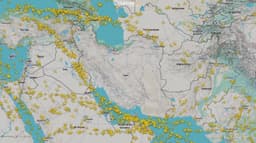
Event GroupPOLYMARKETPolitics
Will Iran close its airspace by February 28?
Total Volume
$83.97K
Events
1
Markets
1
Will Iran close its airspace by February 28?
Platform StatsQuick Platform Comparison
Polymarket
1
markets · $83.97K
Kalshi
0
markets · $0.00
Price Spread
0.0%avg
max 0.0%
Arbitrage
0
of 0 cross-platform
Volume DistributionTotal: $83.97K
100%
Polymarket leads
Price ChartMatched Markets Price Graph
1 market tracked
Will Iran close its airspace by February 28, 2026?
No data available
Single-Platform Markets(1)
| Market | Platform | Price |
|---|---|---|
| Poly | 99% |
AI Analysis
Trader mode: Actionable analysis for identifying opportunities and edge
99%
Top Probability
$83.97K
Volume
1
Markets
1
Platforms
About This Event
This market will resolve to “Yes” if Iran initiates a major closure of its airspace by the listed date, 11:59 PM ET. Otherwise this market will resolve to “No”. A “major closure” is defined as a broad clearance, cancellation, or suspension of commercial flights transiting Iranian Airspace or a major Iranian Airspace region. A qualifying closure must apply generally to flights across the region. Limited cancellations, delays, or other partial closures will not qualify. Limited exceptions to a br
What Prediction Markets Are Forecasting
Prediction markets currently give a 99% probability that Iran will close its airspace by February 28, 2026. In simple terms, traders see this as almost certain to happen. The market is essentially forecasting that a broad, general suspension of commercial flights over Iran is nearly guaranteed within the next two years.
Why the Market Sees It This Way
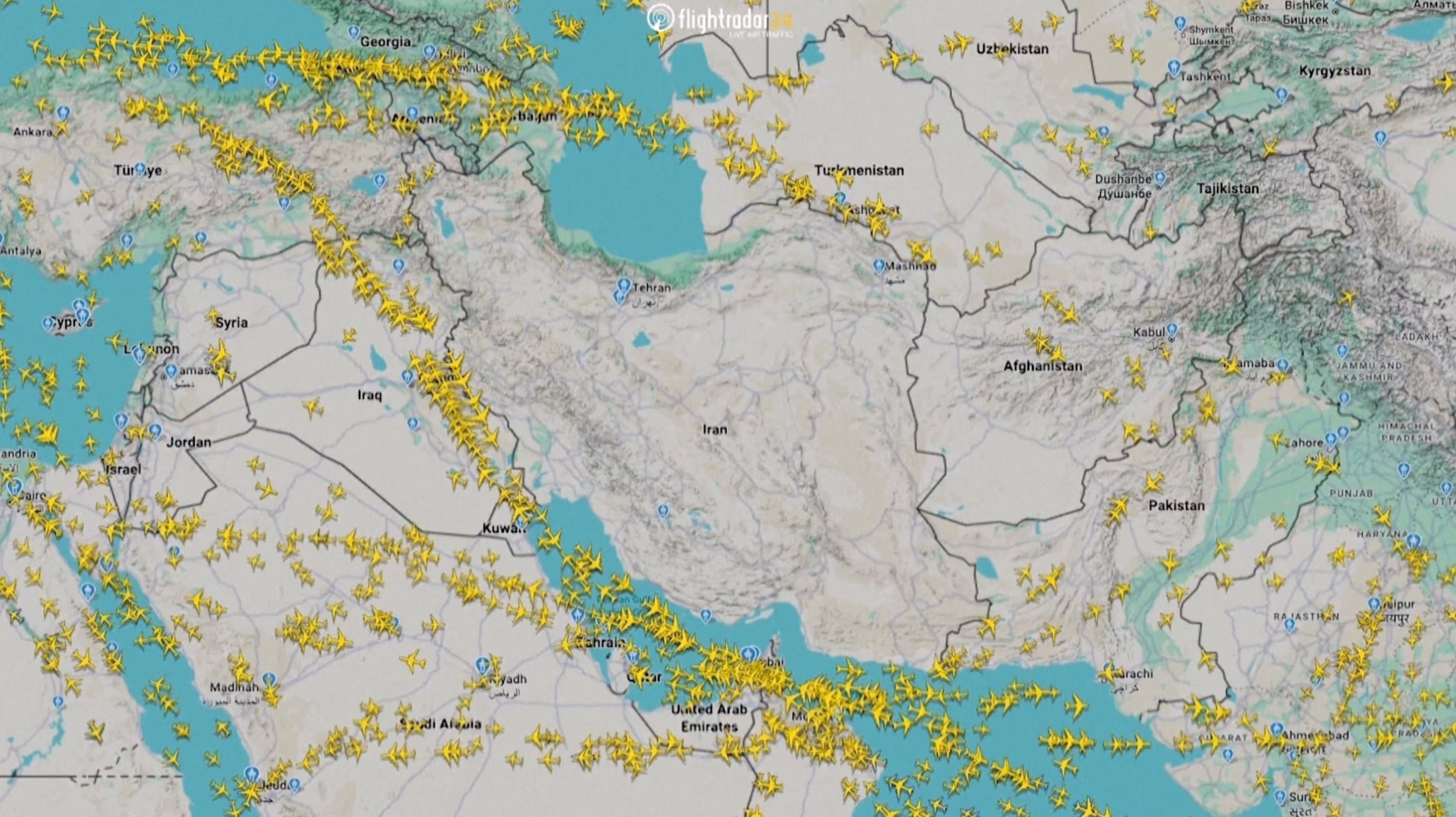
Two primary factors are driving this near-unanimous forecast. First, Iran's airspace has been a recurring geopolitical flashpoint. It is a major corridor for flights between Europe and Asia. During periods of heightened military tension or security incidents in the region, Iran has previously restricted or threatened to restrict overflights. The market appears to be pricing in the high likelihood of at least one such escalating event occurring within the 2024-2026 window.
Second, the structure of the prediction itself matters. The question specifies a "major closure" by February 2026, a timeframe of over two years. Given the persistent instability in the region, traders may see a single triggering event—a military strike, a significant escalation with Israel or the United States, or an internal security crisis—as very probable across that long span. The market isn't predicting closure today, but that the odds favor it happening at some point before the deadline.
Key Dates and Events to Watch
There is no single scheduled event. Instead, the prediction is sensitive to any development that increases regional conflict. Key triggers would include direct military action involving Iran, such as a strike on its nuclear facilities, or a major confrontation with its proxy forces in the region. A significant terrorist threat or security incident inside Iran could also prompt a closure. Markets will react in real-time to news headlines suggesting escalation. The deadline itself, February 28, 2026, is the final cutoff.
How Reliable Are These Predictions?
Prediction markets are generally effective at aggregating collective intelligence on geopolitical events, but this specific forecast has limitations. The extremely high 99% probability may reflect a market quirk, like low trading volume or traders hedging other positions, rather than pure confidence. While markets often correctly gauge the direction of risk, assigning a near-certain probability to a future geopolitical action over two years is exceptionally difficult. Unforeseen diplomatic breakthroughs or periods of sustained calm could prove this forecast wrong. It is a strong consensus view, but not a guarantee.
Current Market Outlook
The Polymarket contract "Will Iran close its airspace by February 28?" is trading at 99 cents, implying a 99% probability of a major closure. This price indicates near-certainty in the market's view. However, with only $84,000 in total volume, liquidity is thin. This low volume means the price could be more sensitive to individual trades and may not fully represent a broad consensus. The resolution deadline of February 28, 2026, is still over a year away, but the current pricing suggests traders see an airspace closure as almost inevitable within that timeframe.
Key Factors Driving the Odds
The extreme confidence stems from Iran's established pattern of using airspace control as a geopolitical tool, especially during regional tensions. In April 2024, Iran closed its airspace and launched over 300 drones and missiles at Israel following an attack on its diplomatic compound in Damascus. This precedent directly informs the market's logic. Ongoing proxy conflicts and military activities in the region, including incidents involving Iranian-backed groups and Israeli strikes, create a persistent risk of escalation. Traders are pricing in the high likelihood that another significant trigger event will occur well before February 2026, leading Iran to again restrict air traffic broadly as a security measure or retaliatory action.
What Could Change These Odds
The primary factor that could lower the 99% probability is an unexpected and sustained de-escalation in the Middle East. If diplomatic channels between Iran and major powers like the United States or regional adversaries become actively productive, the perceived risk of a major military incident requiring an airspace closure would fall. Conversely, the odds could shift even higher if a specific catalyst emerges, such as a direct military confrontation between Iran and Israel or the United States. Monitoring official statements from Iranian civil aviation authorities and regional security developments will provide the earliest signals of changing risk. The long time horizon until resolution allows for significant geopolitical shifts that the current ultra-bullish price may not fully discount.
AI-generated analysis based on market data. Not financial advice.