Traffic through the Bab el-Mandeb Strait? (11/16 - 11/22)
PM $18.25M · K 215.7K contracts
2
14
- Reported volume
- PM $18.25M · K 215.7K contracts
- Events
- 2
- Markets
- 14
Current odds
Snapshot from
As of Nov 22, 2026, 12:00 PM UTC, the highest-priced outcome on Polymarket is December 31 at 5.5%, and on Kalshi it is Above 160 at 98.5%.
Polymarket
- December 315.5%
- November 301.2%
Kalshi
- Above 16098.5%
- Above 17096.5%
- Above 17587.5%
- Above 18069.5%
- Above 18553.5%
Yes prices. They are not order quotes; check each platform's rules, fees and live prices before trading.
AI Analysis
Trader mode: Market mechanics, assumptions and risks
PM $18.25M · K 215.7K contracts
Reported volume · provider units
14
Saved contracts
0
Same-question pairs
Source snapshot: Nov 22, 2026, 12:00 PM UTC
Snapshot observed Nov 22, 2026, 12:00 AM UTC. This analysis describes that snapshot and is not a live news update.
What the contract measures
The Kalshi event asks whether the number of transit calls through the Bab el-Mandeb Strait, as reported by IMF PortWatch, will be above a threshold X from Nov 16, 2026 to Nov 22, 2026. The total is the sum of daily counts over that period, and the market resolves no earlier than Tuesday at 9 AM after the period ends, once complete data is available [1]. Its contracts use thresholds from more than 160 to more than 230 transit calls [1].
The Polymarket event asks a different question. It resolves Yes if IMF PortWatch publishes a 7-day moving average of transit calls for the strait that is less than or equal to 10 for any date between market creation and the listed date [2]. Its two contracts ask about "effectively closed by" December 31 and November 30 [2].
Because the two events measure different things, their prices should not be averaged or ranked together.
Reading the snapshot
The saved prices were observed at Nov 22, 2026, 12:00 AM UTC and retrieved at Nov 22, 2026, 2:22 AM UTC [1][2]. They describe that past moment and are not live quotes.
In the Kalshi event, Yes prices fall as the threshold rises, from 0.985 for more than 160 transit calls to 0.015 for more than 220 and more than 230 [1]. These are snapshot prices, not verified probabilities or executable quotes. The Kalshi event includes all 12 saved markets and reports 211,594 contracts of volume [1].
The Polymarket event includes both of its saved markets. The December 31 contract had a Yes price of 0.055, and the November 30 contract had 0.011 [2]. The Polymarket event reports $18,244,094 in volume [2].
These volume figures use different units and should not be added or compared. Volume does not measure liquidity or the number of traders. Different prices across the platforms do not on their own indicate an arbitrage opportunity, since the contracts use different wording and listed close times.
What remains uncertain
The evidence does not explain why any price moved, how many traders hold a given view, or what recent events may have influenced the market. It also does not show how accurately these markets have forecast outcomes in the past.
The saved samples include all markets for each event, but the sources do not establish that every real-world outcome is listed. The Kalshi event has no listed end time in the supplied material, while its contracts show a close of Nov 24, 2026, 2:00 PM UTC [1]. Polymarket's listed end times are Dec 1, 2026, 4:59 AM UTC and Jan 1, 2027, 4:59 AM UTC [2].
Resolution depends on IMF PortWatch data. Polymarket states that revisions made after data is published for the listed date will not be considered [2]. No final outcome appears in the evidence.
References
- Kalshi: Traffic through the Bab el-Mandeb Strait? (11/16 - 11/22). Provider data observed Nov 22, 2026, 12:00 AM UTC.
- Polymarket: Bab el-Mandeb Strait effectively closed by...?. Provider data observed Nov 22, 2026, 12:00 AM UTC.
Snapshot observed Nov 22, 2026, 12:00 AM UTC. This analysis describes that snapshot and is not a live news update.
What the contract measures
The Kalshi event asks whether the number of transit calls through the Bab el-Mandeb Strait, summed daily from Nov 16, 2026 to Nov 22, 2026 as reported by IMF PortWatch, is above a threshold X [1]. Its markets use thresholds from 160 to 230 calls. The market resolves no earlier than Tuesday at 9 AM after the period ends, once complete data is available [1].
The Polymarket event asks a different question. It resolves Yes if IMF PortWatch publishes a 7-day moving average of transit calls at or below 10 for any date up to the listed date [2]. The two events differ in counting method, threshold, and time window, so their prices answer different questions and should not be compared directly.
Reading the snapshot
The data was observed at Nov 22, 2026, 12:00 AM UTC and retrieved at 02:22:29Z, so these prices describe that earlier moment rather than current conditions. On Kalshi, the Yes price falls as the threshold rises, from 0.985 for more than 160 calls to 0.015 for more than 230 [1]. In the same snapshot, the more than 175 threshold is at 0.875 and the more than 190 threshold is at 0.425 [1].
On Polymarket, the Yes price is 0.011 for a close by November 30 and 0.055 for a close by December 31 [2]. The listed close times are Dec 1, 2026, 4:59 AM UTC and Jan 1, 2027, 4:59 AM UTC. The Kalshi markets list an end date of Nov 24, 2026, 2:00 PM UTC, but the event source gives no listed end time [1].
The reported volumes are $18,244,094 on Polymarket and 211,594 contracts on Kalshi [1][2]. Each figure is that provider's own total in its own units. Volume is not liquidity or a count of traders, and the two figures should not be added or compared.
Prices are snapshots, not executable quotes or verified probabilities. A price difference between platforms does not by itself indicate an arbitrage opportunity, because the contracts differ.
What remains uncertain
The sample includes every saved market for each event: 12 Kalshi markets and 2 Polymarket markets [1][2]. This does not establish that the providers list every possible outcome. The evidence does not explain why any price moved and contains no news or trader counts. Polymarket counts revisions made before publication for the listed date but not later revisions [2]. The final outcome of either contract is not in the evidence.
References
- Kalshi: Traffic through the Bab el-Mandeb Strait? (11/16 - 11/22). Provider data observed Nov 22, 2026, 12:00 AM UTC.
- Polymarket: Bab el-Mandeb Strait effectively closed by...?. Provider data observed Nov 22, 2026, 12:00 AM UTC.
AI-generated analysis based on market data. Not financial advice.
Saved Nov 22, 2026 UTCThis article was written from an earlier market snapshot and may be out of date. Use the dated market data and provider rules above for current information.
Overview
This PredictPedia entry covers a weekly Kalshi event on traffic through the Bab el-Mandeb Strait for the period from November 16, 2026 to November 22, 2026 [1]. The event is built around a count of transit calls. Under its rules, the market resolves to Yes if the number of transit calls through the strait, as reported by the IMF PortWatch, is above a stated threshold X for that period. The total is calculated by summing daily counts from November 16, 2026 to November 22, 2026 [1]. The event contains several markets that use different thresholds. The saved event lists eleven markets, each asking whether the count will exceed a different number of transit calls, with thresholds running from 170 to 230 [1]. Each market is a separate yes-or-no contract, so a higher threshold asks a stricter question than a lower one. The saved record includes all eleven markets for this event, but the provider does not claim that these are every possible outcome. The contract's resolution timing is set by its rules. The market will resolve no earlier than Tuesday at 9 AM following the end of the period, once complete data is available [1]. That means the outcome depends on the completed daily counts for the week, not on the date the market page was viewed. The provider record shows the event as active, but it does not supply a listed end time [1]. The price figures attached to these markets are snapshots taken at a specific observation time. They are not executable quotes, and they are not verified probabilities of the outcome. Trading volume reported by Kalshi is counted in contracts and does not indicate liquidity or the number of participants.
Historical Context
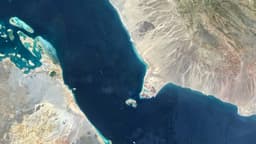
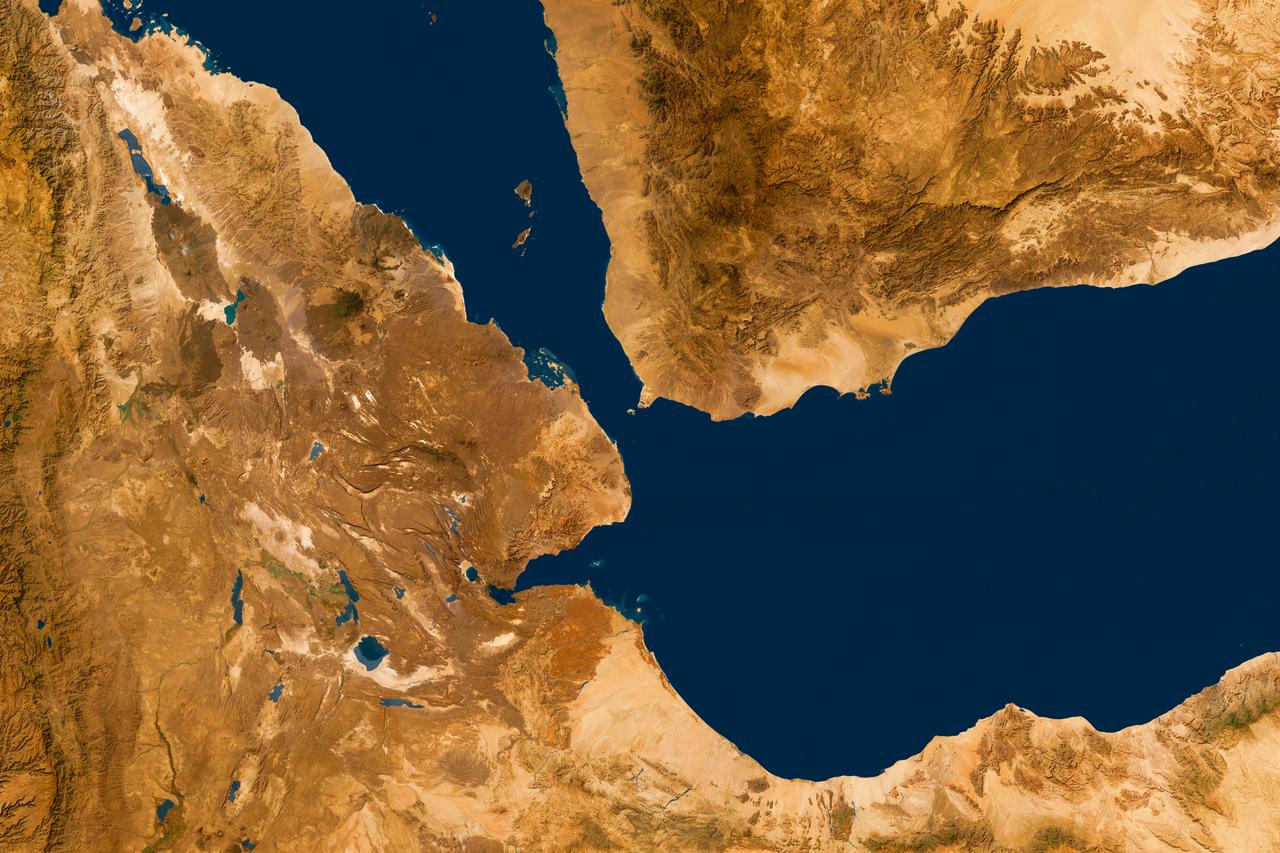
The Bab al-Mandab Strait, also written as Bab el-Mandeb, is a strait and global chokepoint between Yemen on the Arabian Peninsula and Djibouti and Eritrea in the Horn of Africa. It connects the Red Sea to the Gulf of Aden and the Indian Ocean [2]. This geography explains why traffic counts through the strait are tracked as a measure of shipping activity. The Wikipedia article on the 2026 Iran war states that since 28 February 2026, the United States and Israel have been at war with Iran and its regional allies. The article describes the war as following the Twelve-Day War in June 2025 and sporadic fighting connected to the Gaza war, which began in 2023 [3]. This describes the conflict as the article reported it when retrieved. It does not establish the situation at the time of this snapshot, and the supplied sources do not connect the war to the weekly transit counts in this contract.
Why It Matters
The contract measures how many transit calls through the Bab el-Mandeb Strait are recorded by the IMF PortWatch during one specific week. Because the rules sum daily counts over November 16 to November 22, 2026, the outcome depends on the completed weekly total against each threshold [1]. The strait itself is a major passage between the Red Sea and the Indian Ocean [2], which gives the count its relevance as a measure of traffic through this route. The contract is a measurement question, not a forecast of why traffic changes. The supplied sources do not explain the causes of any change in the count. Readers should check the event rules and the data source directly, and should treat the price snapshots as a record of market pricing at one moment rather than a verified estimate of the outcome [1].
Snapshot context
The latest published provider snapshot for this topic was observed on 2026-11-14 at 12:00 UTC. It contains listings from Kalshi. Market descriptions and listed closing times define the contracts; they do not establish that the real-world outcome has occurred. This article does not include a separately verified news update. [1]
Frequently Asked Questions
What does the Bab el-Mandeb traffic contract measure?
It measures the total number of transit calls through the Bab el-Mandeb Strait reported by the IMF PortWatch. The total is calculated by summing daily counts from November 16, 2026 to November 22, 2026 [1].
When does the contract resolve?
The rules state that the market will resolve no earlier than Tuesday at 9 AM following the end of the period, once complete data is available [1]. The rules do not establish a separate announced resolution date beyond this timing.
Why are there several markets for the same week?
The event includes separate yes-or-no markets that each ask whether the weekly count will be above a different threshold. The saved event lists eleven such markets with thresholds from 170 to 230 transit calls [1].
Do the prices show the likely outcome?
The prices are snapshots taken at a specific time. They are not executable quotes or verified probabilities, and the saved records do not establish that the listed markets cover every possible outcome [1].
AI-written background. References identify the evidence used; Wikipedia links under Learn More are additional reading. Prices and provider rules are dated snapshots. This is not financial advice.
Related prediction markets
Prices are catalog snapshots and may have changed. Check each market's rules and observation time.
Peak daily ship traffic through the Bab el-Mandeb Strait week of November 16?
PM $12.5KShip traffic through the Bab el-Mandeb Strait week of November 16?
PM $8.8KHighest 7-day average ship traffic through the Bab el-Mandeb Strait by December 31?
PM $13.7K7-day average ship traffic through the Bab el-Mandeb Strait on December 31?
PM $3.8K
Traffic through the Bab el-Mandeb Strait? (11/23 - 11/29)
K 10.4K contracts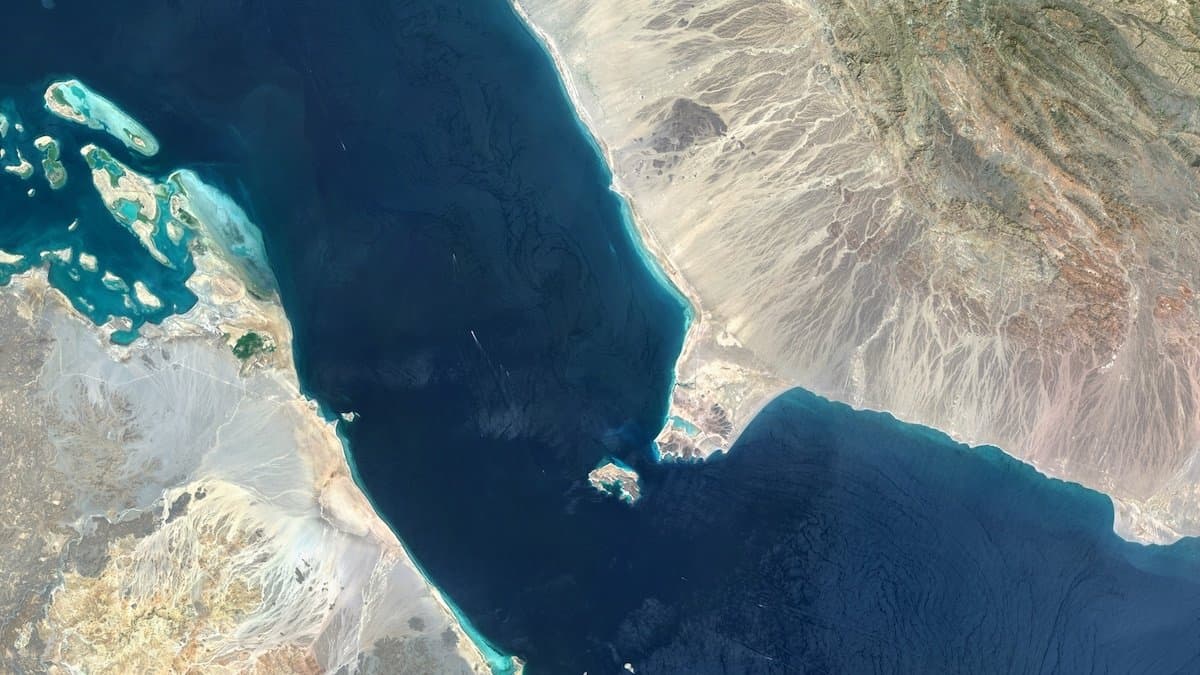
Avg. # of ships transiting Bab el-Mandeb Strait end of November?
PM $12.7KMarket Insights
Price gaps of 2 pp+
0
Same-question pairs
0
No outcomes on this page have been reviewed as the same question on both platforms yet.
Price differences do not establish arbitrage. Check each pair's review, current order prices, fees and settlement rules.
