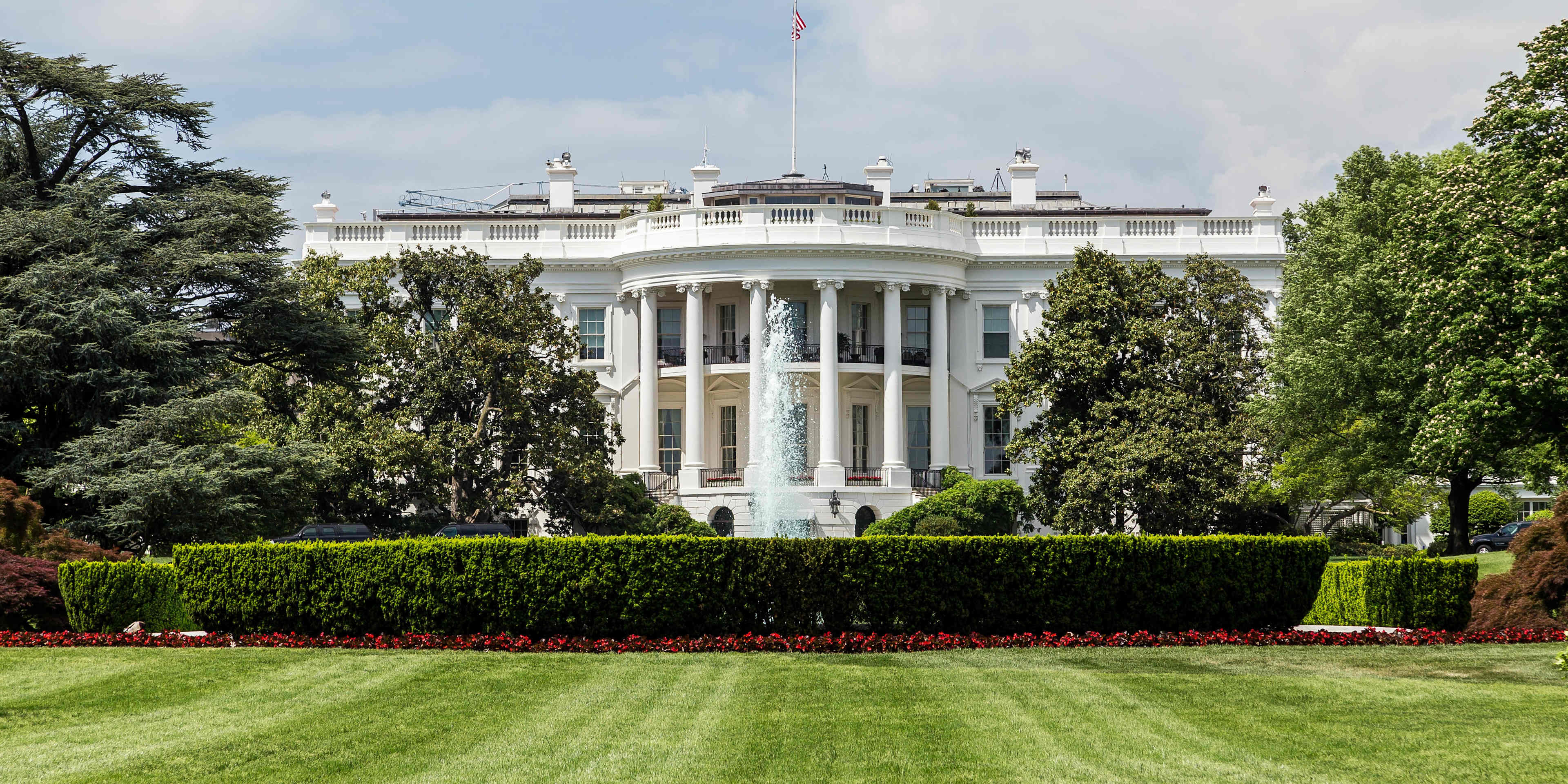
Who will leave Trump's Cabinet next?
PM $141.4K · K 297.5K contracts
2
46
Who will leave Trump's Cabinet next?
PM $141.4K · K 297.5K contracts
2
46
Current odds
Snapshot from
As of Oct 26, 2026, 9:00 PM UTC, the highest-priced outcome on Polymarket is None before 2027 at 28%, and on Kalshi it is Pete Hegseth at 32%.
Polymarket
- None before 202728%
- Susie Wiles24%
- Pete Hegseth13.9%
- Mike Waltz6.5%
- Russell T. Vought4.8%
Kalshi
- Pete Hegseth32%
- Susie Wiles20.5%
- Howard Lutnick15%
- Robert F. Kennedy Jr.5.5%
- Markwayne Mullin5.5%
Yes prices. They are not order quotes; check each platform's rules, fees and live prices before trading.
AI Analysis
Trader mode: Market mechanics, assumptions and risks
PM $141.4K · K 297.5K contracts
Reported volume · provider units
46
Saved contracts
0
Same-question pairs
Source snapshot: Oct 26, 2026, 9:00 PM UTC
About This Event
During Trump's term If X is the first member of the Cabinet of Donald Trump to leave or announce they will leave, such as by quitting, being fired, or being impeached, after May 22, 2026, then the market resolves to Yes. If two persons announce they intend to leave at the same time, then the one who leaves first will resolve to Yes and all others will resolve to No. If multiple persons both announce they intend to leave and leave at the same time as other members, then the one whose last name is alphabetically first will resolve to Yes and all others will resolve to No. A leave of absence does not constitute leaving the position. For purposes of this Contract, the Cabinet includes the heads of the 15 government agencies in the Cabinet as of Issuance, as well the Administrator of the EPA, the President’s Chief of Staff, Director of National Intelligence, Director of OMB, Director of CIA, United States Trade Representative, Ambassador to the UN, Chair of the Council of Economic Advisers, Administrator of the SBA, and Director of OSTP. Acting roles are not included. Leaving office as a result of death is not encompassed by the Payout Criterion. This market will close and expire early if the event occurs for any person.
This analysis is awaiting a background update, so its prices may be older than the odds above.
Current Market Outlook
Kalshi traders give Robert F. Kennedy Jr. a 32% chance of being the next Trump Cabinet member to leave. That is a low probability, meaning the market sees him as the most likely candidate among a fragmented field, but still far from certain. No other individual holds more than a 10% share. The market resolves after May 22, 2026, so this is a long-term bet on personnel turnover in a Cabinet that has already seen high churn.
Key Factors Driving the Odds
RFK Jr. leads because his position as Health and Human Services secretary is uniquely vulnerable. He has a history of controversial vaccine statements and anti-establishment views that clash with traditional Republican health policy. Trump’s base tolerates him, but Senate Republicans and the pharmaceutical lobby want him gone. His 32% price reflects the reality that he is the most likely flashpoint, not because he is actively leaving, but because his departure would be the least disruptive to Trump’s core agenda.
Other Cabinet members like Pete Hegseth (Defense) and Marco Rubio (State) trade below 5%. Hegseth is insulated by Trump’s loyalty to Fox News personalities. Rubio is a standard conservative who avoids internal drama. The market is pricing in that early departures will be ideological outliers, not institutional insiders.
What Could Change These Odds
A single scandal or public fight with Trump could send RFK Jr.’s odds to 60% overnight. But the bigger shift would come if a mainstream figure like Treasury Secretary Scott Bessent or Attorney General Pam Bondi suddenly trades above 10%. That would signal a broader Cabinet crisis, not just a cleanout of fringe picks.
The May 2026 deadline means the market will be quiet for months, then spike during any midterm election shakeup or internal power struggle. If Trump wins a second term, the Cabinet will reset entirely, but this market only covers departures, not replacements. The low prices across the board suggest traders expect stability through 2025, with the real action happening in late 2026.
AI-generated analysis based on market data. Not financial advice.
Saved Jul 28, 2026 UTCThis saved content is awaiting a background update. It may contain outdated claims; use the dated market data and provider rules for the latest available information.
Overview
This prediction market focuses on the next departure from President Donald Trump's Cabinet after May 22, 2026. The Cabinet of the United States, as defined by the Constitution and federal law, includes the Vice President and the heads of 15 executive departments (such as the Secretaries of State, Treasury, Defense, and others). During Trump's term, which runs from January 20, 2025 to January 20, 2029, Cabinet departures have occurred with notable frequency. The market resolves to 'Yes' for the first individual to leave or announce their departure after the specified date, whether by quitting, being fired, or being impeached. This type of market tracks the stability of the administration and the political dynamics influencing personnel changes. President Donald Trump's first term (2017-2021) saw an unusually high turnover rate among Cabinet members. A 2018 Brookings Institution analysis found that Trump's Cabinet had a 66% turnover rate in the first two years, compared to 17% for Barack Obama and 27% for George W. Bush. Key figures like Attorney General Jeff Sessions, Secretary of State Rex Tillerson, and Chief of Staff John Kelly were either fired or resigned under pressure. This pattern of instability has drawn attention to the current term, where similar dynamics may play out. Recent developments include the confirmation of several contentious Cabinet nominees in early 2025, such as Robert F. Kennedy Jr. as Secretary of Health and Human Services and Tulsi Gabbard as Director of National Intelligence. Both have faced scrutiny over their past statements and policy positions. The market's start date of May 22, 2026 is arbitrary but likely chosen to capture a specific window of interest, perhaps after a major policy push or midterm elections in November 2026. The market will continue until the end of Trump's term or until a departure triggers resolution. People are interested in this market because Cabinet departures often signal internal conflicts, policy shifts, or scandals. They can impact stock markets, foreign policy, and regulatory enforcement. For example, the firing of FBI Director James Comey in May 2017 led to the appointment of a special counsel and months of political turmoil. Similarly, the resignation of Secretary of Health and Human Services Alex Azar in 2021 affected COVID-19 response coordination. Tracking who leaves next provides insight into the administration's health and priorities.
Historical Context
The first Cabinet departure in Trump's first term was National Security Advisor Michael Flynn, who resigned on February 13, 2017, after just 24 days in office, due to revelations about his contacts with Russian Ambassador Sergey Kislyak. This set a record for the shortest tenure of a National Security Advisor. Subsequent departures included FBI Director James Comey (fired May 9, 2017) and Press Secretary Sean Spicer (resigned July 21, 2017). By the end of 2017, five senior officials had left. The 2018 midterm elections led to further changes, including Attorney General Jeff Sessions resigning at Trump's request in November 2018. The most significant Cabinet turnover occurred in 2019, when acting White House Chief of Staff Mick Mulvaney and Secretary of Energy Rick Perry left. The pattern of departures often followed public feuds with Trump, leaks to the press, or policy disagreements. For example, Secretary of State Rex Tillerson was fired via Twitter on March 13, 2018, after reports that he called Trump a 'moron.' Similarly, Secretary of Defense James Mattis resigned in December 2018 over Trump's decision to withdraw troops from Syria. In the current term, the confirmation process has been more contentious, with several nominees barely approved by narrow Senate margins. The use of recess appointments and acting officials has increased, allowing Trump to bypass Senate confirmation for some positions. This could lead to faster departures as acting officials lack the same protections as confirmed ones. The historical precedent suggests that Cabinet members who are ideologically distant from Trump or who become political liabilities are most likely to leave first.
Why It Matters
Cabinet departures have direct economic implications. When a Secretary of the Treasury or Commerce resigns, markets often react to the uncertainty. For instance, the resignation of Treasury Secretary Steven Mnuchin in 2018 would have affected trade negotiations with China. In the current term, the departure of Elon Musk from the Department of Government Efficiency could signal a shift in federal spending policies, impacting contractors and investors. Similarly, the loss of a Defense Secretary could delay weapons procurement decisions affecting defense stocks. Politically, Cabinet departures can weaken the administration's agenda. They often lead to vacancies that take months to fill, during which time policy implementation stalls. They also provide ammunition for political opponents to claim chaos or incompetence. For the public, these departures can affect services like healthcare (HHS), national security (DHS), or environmental regulation (EPA). The downstream consequences include changes in regulatory enforcement, international alliances, and domestic programs. Understanding who might leave next helps investors, policymakers, and citizens prepare for potential shifts.
Frequently Asked Questions
Who is most likely to leave Trump's cabinet in 2026?
Robert F. Kennedy Jr. is considered the most likely due to his ongoing conflicts with public health officials and low internal support. Tulsi Gabbard and Elon Musk are also high-risk candidates.
How many cabinet members has Trump fired so far in his second term?
As of May 2026, Trump has not fired any Cabinet members, but he has pressured two to resign. This is lower than his first term rate, but expected to increase after the midterms.
What happens when a cabinet member leaves?
The President appoints a replacement, who must be confirmed by the Senate. An acting official can serve temporarily for up to 210 days under the Federal Vacancies Reform Act.
Has a vice president ever left the cabinet?
Yes. Vice President John C. Calhoun resigned in 1832 to become a senator. In modern times, Vice President Spiro Agnew resigned in 1973 due to scandal. JD Vance could leave if he runs for president in 2028.
AI-written background. References identify the evidence used; Wikipedia links under Learn More are additional reading. Prices and provider rules are dated snapshots. This is not financial advice.
Related prediction markets
Prices are catalog snapshots and may have changed. Check each market's rules and observation time.

Who will be the next to leave the Burnham Cabinet?
K 42.5K contracts
How many more people leave the Trump cabinet this year?
PM $10.9K
How long will Trump's next Press Secretary last?
K 4.4K contracts
When will a member of Trump's Cabinet leave?
K 14.6K contracts
Who will be the first to leave the Burnham Cabinet?
PM $138.2K
Who will leave their role in the Trump administration in 2026?
PM $1.46M · K 4.64M contractsWill Susie Wiles leave the Trump administration before 2027?
Kalshi: Will Susie WIles leaves Chief of Staff in before 2027?
Related contracts
Will Russell Vought leave the Trump administration before 2027?
Kalshi: Will Russell Vought leaves OMB Director in before 2027?
Related contracts
Will Pete Hegseth leave the Trump administration before 2027?
Kalshi: Will Pete Hegseth leaves Secretary of Defense in before 2027?
Related contracts
Related or unreviewed contracts may settle differently. Their gap is not an equivalent-contract comparison.
Saved prices; check contract rules.
Market Insights
Price gaps of 2 pp+
0
Same-question pairs
0
No outcomes on this page have been reviewed as the same question on both platforms yet.
Price differences do not establish arbitrage. Check each pair's review, current order prices, fees and settlement rules.